
Secure Offshore Sportsbooks: Safe 2026 Betting Guide
 Available in US
Explore the Best Offshore Sportsbooks of 2026 with this honest guide to safe betting, crypto payments, and reliable payouts for US players.

Let me start by saying what every other sportsbook guide won’t: I’ve used offshore books. A lot. Before legal sports betting came to my state, before FanDuel was plastered on every billboard, when the only way to bet on games was to know a guy or find a Costa Rican website that looked like it was designed in 1997. I’ve been paid by offshore books, I’ve been stiffed by offshore books, and I’ve learned exactly which ones you can trust with your money and which ones will disappear faster than your bankroll on a Sunday full of favorites.
This isn’t legal advice. I’m not telling you to use offshore sportsbooks. In fact, if you live in a state with legal betting, you’re almost always better off sticking with regulated books. But I know some of you are reading this from Texas, California, or one of the other states where politicians pretend nobody bets on sports. And for you, offshore books might be your only option. So let’s have an honest conversation about the reality of offshore betting in 2026.
Table of Contents
Understanding Offshore Betting (The Reality Behind the Curtain)
Offshore sportsbooks operate from countries where online gambling is legal and regulated places like Costa Rica, Curacao, Malta, and the Isle of Man. They accept bets from Americans even though it’s technically illegal for them to do so. It’s a gray area that’s existed for decades and probably won’t change anytime soon.
Here’s what nobody tells you about the legal situation: you, as a bettor, are extremely unlikely to face any consequences for using offshore books. The government goes after the operators, not the players. In twenty years of widespread offshore betting, I’ve never heard of a regular bettor getting in trouble. The IRS doesn’t care where your gambling winnings come from, just that you report them. That said, you’re operating without a net. If something goes wrong, you have zero legal recourse.
The biggest difference between offshore and regulated books isn’t the betting experience it’s what happens when something goes wrong. Regulated books have gaming commissions watching them, requiring segregated funds, and providing dispute resolution. Offshore books have… reputation. That’s it. Their entire business model depends on paying winners consistently enough to maintain trust. Most do. Some don’t.
The economics of offshore books are actually fascinating. They operate with much lower overhead than U.S. books. No massive state taxes (New York takes 51% of sportsbook revenue), no expensive licenses, no compliance departments. This means they can offer better odds, higher limits, and more generous bonuses. It also means they can disappear overnight if they want to.
The payment processing situation is the biggest hassle with offshore betting. Banks don’t want to process gambling transactions to offshore sites. Credit cards get declined. You end up using cryptocurrency, person-to-person transfers, or sketchy payment processors that charge huge fees. Getting money in is annoying. Getting money out is worse. But for people in non-legal states who want to bet, it’s the only game in town.
Top 5 Offshore Sportsbooks (From Someone Who’s Actually Been Paid by Them)
After over a decade of using offshore books, getting paid by most, and learning which ones to avoid, here are the five that have proven themselves reliable enough to trust with your money.
1. Bovada The Recreational Player’s Paradise
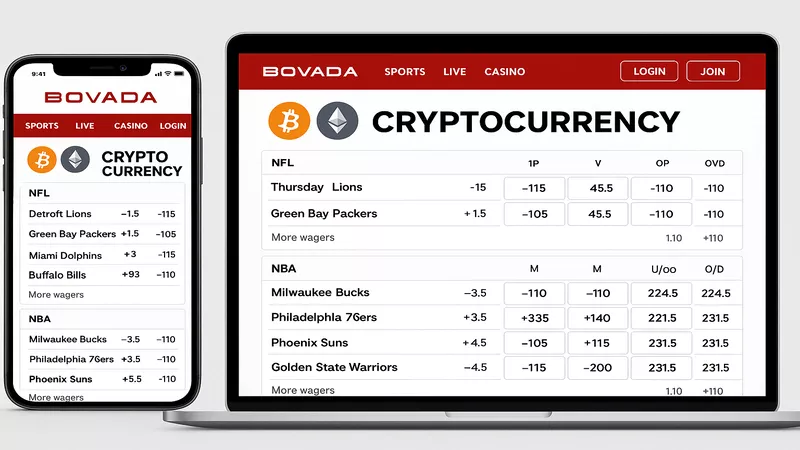
Bovada has been around since 2011, which is ancient in offshore sportsbook years. They’re the successor to Bodog, which was the biggest name in offshore betting in the 2000s. The fact that they’re still here, still paying, and still growing says everything you need to know about their reliability.
What makes Bovada perfect for recreational players is that they don’t care if you win. I know people who’ve won five figures from Bovada and got paid without issue. They don’t limit winners quickly like some books. They understand that recreational players who win keep playing, and eventually, the math works in the house’s favor.
The interface is modern and works well on mobile, which wasn’t always the case with offshore books. They’ve clearly invested in technology over the years. The betting menu is comprehensive all major U.S. sports plus international options. The props selection is decent, though not as deep as major U.S. books. Live betting works smoothly, which is impressive for an offshore operation.
Cryptocurrency withdrawals from Bovada are usually processed within 24 hours. Bitcoin, Bitcoin Cash, Ethereum, Litecoin they take them all and pay them all quickly. Check by courier takes about two weeks and costs $100 for processing. Don’t use checks unless you absolutely have to. The crypto revolution has made offshore betting infinitely more practical.
Their bonus structure is actually reasonable. Usually a 50% match up to $250 for sports, which has a realistic 5x rollover. That’s achievable, unlike the 10x or 15x rollovers some offshore books require. They also run reload bonuses regularly, giving existing players value beyond the welcome offer.
2. BetOnline Where the Sharps Play
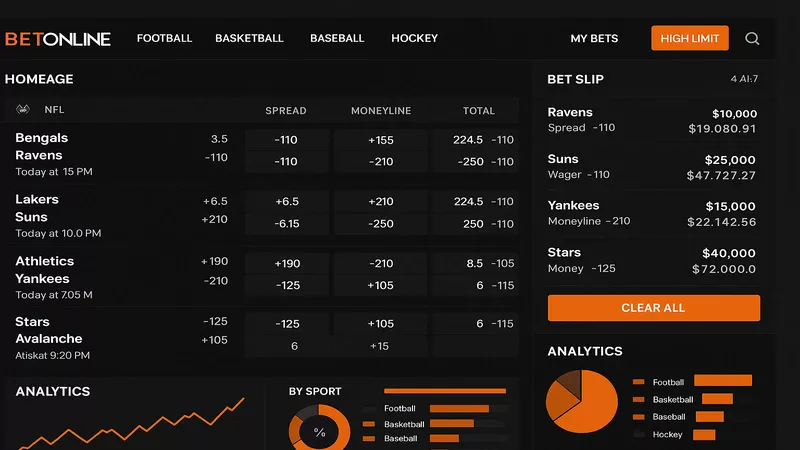
BetOnline is known for taking large bets and not limiting winners, which makes them popular with professional bettors. If Bovada is the recreational paradise, BetOnline is where serious money moves. They’ll take five-figure bets on major markets without blinking, something even regulated U.S. books won’t always do.
The odds at BetOnline are consistently competitive, often better than U.S. books. They’re one of the first to post lines and they’re not afraid to take positions. When news breaks, BetOnline has adjusted their odds while other books are still discussing it in meetings. This makes them valuable for bettors who like to bet into news or injuries quickly.
Their prop betting menu is extensive, particularly for NFL and NBA. They’ll have markets posted that you won’t find anywhere else obscure player props, specific game situations, cross-sport props. If you can think of it, BetOnline probably offers it. The creativity in their prop offerings shows they actually understand sports betting, not just copying what everyone else does.
Payment processing at BetOnline is professional. Cryptocurrency withdrawals are processed within 48 hours, usually faster. They also offer person-to-person transfers and even wire transfers for large amounts. I’ve withdrawn five figures via Bitcoin from BetOnline with no issues beyond the normal anxiety of waiting for blockchain confirmations.
The downside is that BetOnline is clearly targeting serious bettors, which means the interface is functional but not pretty. It looks like a sportsbook from 2010, because it basically is. But when you’re offering the best lines and taking real action, aesthetics don’t matter as much.
3. MyBookie The Marketing Machine That Actually Pays
MyBookie spends more on marketing than any other offshore book, which initially made me suspicious. Turns out they’re using that marketing to build a legitimate operation. They pay winners, process withdrawals reasonably quickly, and offer a solid betting experience. The marketing budget doesn’t come from stiffing players.
What sets MyBookie apart is their bonus variety. Beyond the standard welcome bonus, they run creative promotions that actually provide value. Reload bonuses, free play contests, referral bonuses that actually pay out they’re constantly offering something. The rollover requirements are high but achievable if you bet regularly.
While exploring international platforms, it is crucial to compare the sportsbook promotions to ensure you get the most value out of your crypto deposits.
The live betting platform at MyBookie is surprisingly good for an offshore book. The odds update quickly, the interface is clean, and they offer a good variety of in-game markets. It’s not FanDuel-level smooth, but it’s better than what most offshore books offer.
Cryptocurrency deposits and withdrawals are their strength. Bitcoin processing is under 24 hours for withdrawals, sometimes just a few hours. They also accept a wider variety of altcoins than most Ethereum, Litecoin, Bitcoin Cash, even some smaller coins. If you’re already in the crypto ecosystem, MyBookie makes transactions painless.
Customer service actually exists and responds, which is rare in the offshore world. Live chat is available most hours, they respond to emails within a day, and they seem to actually care about resolving issues. I’ve had payment questions answered professionally and problems resolved fairly.
4. Everygame The International Option
Everygame (formerly Intertops) has been around since 1996, making them one of the oldest online sportsbooks period. They’re licensed in Antigua and have built their reputation on consistency and reliability over decades. When books that launched five years ago are considered veterans, Everygame’s longevity means something.
The international flavor of Everygame is its biggest strength. While they cover U.S. sports comprehensively, they really shine with international markets. Soccer leagues from around the world, cricket, rugby, Australian rules football if it’s a sport somewhere, Everygame probably offers it. For Americans who bet international sports, this is invaluable.
The odds format flexibility is perfect for international betting. You can display odds in American, decimal, fractional, Hong Kong, Indonesian, or Malay formats. Most Americans won’t care, but if you’re betting international sports, seeing odds in the format you understand matters.
Their poker room and casino are actually good, not just bolt-on additions. If you want variety beyond sports betting, Everygame offers a complete gambling experience. The poker room has decent traffic and the casino games are from reputable providers. Everything runs through one wallet, making it easy to move between verticals.
Payment processing is old school but reliable. They still offer credit card deposits that sometimes work, though fees are high. Cryptocurrency is faster and cheaper. Check withdrawals take forever (3-4 weeks) but they arrive. For an operation that’s been around since the Clinton administration, they’ve adapted to modern payment methods reasonably well.
5. XBet The Underdog That Delivers
XBet doesn’t have the marketing budget of MyBookie or the history of Bovada, but they’ve quietly built a solid reputation by doing the basics right: taking bets, grading them correctly, and paying winners promptly. Sometimes that’s all you need.
The welcome bonus at XBet is massive up to $500 at 100% match. The rollover is high (14x) but if you’re going to bet anyway, it’s free money. They also offer a rebate program where you get money back on losses, which softens the blow of bad weeks. These rebates are paid in cash, not bonus funds, which is rare and valuable.
Live betting at XBet is basic but functional. They don’t have the market variety of bigger books, but the major markets are there and the odds are fair. For NFL and NBA games, you’ll find what you need. For Romanian table tennis at 3 AM, look elsewhere.
The mobile experience is surprisingly good. The site is fully responsive and works well on phones and tablets. No app needed, just go to the website and everything works. This is actually preferable to downloading sketchy apps from offshore books.
Cryptocurrency withdrawals are processed quickly, usually within 24 hours. They’ve recently added more crypto options including some privacy coins, which some bettors prefer. The minimum withdrawal is reasonable ($50) and they don’t nickel-and-dime you with fees like some offshore books do.
Offshore vs Regulated Comparison (The Honest Truth)
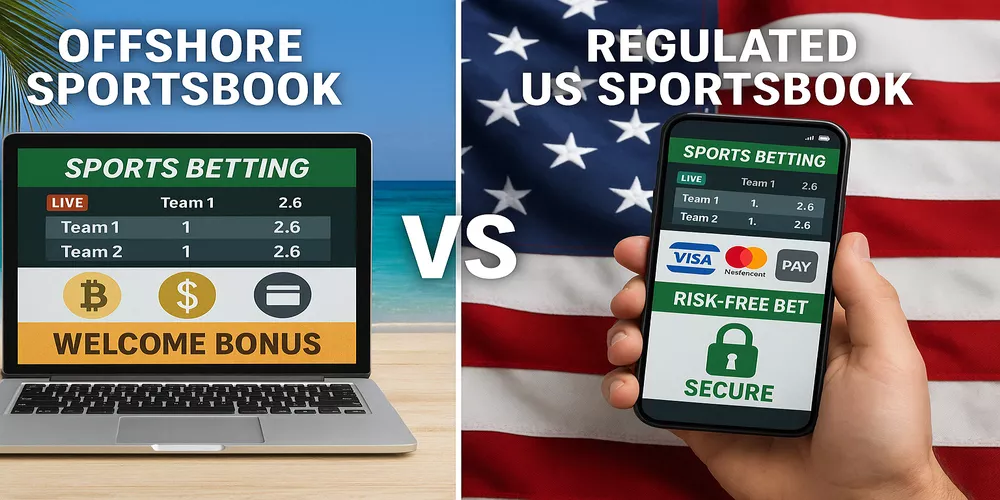
Let’s be real about the differences between offshore and regulated books, because there are significant trade-offs both ways.
Security Differences
Regulated books are safer. Period. Your funds are segregated, there’s regulatory oversight, and if something goes wrong, you have recourse. The gaming commission will investigate disputes. Your money is as safe as it would be in a bank.
Offshore books operate on trust and reputation. Most pay because their business model depends on it, but there’s always risk. I’ve been stiffed by two offshore books in fifteen years not a high percentage, but those losses hurt. You have to factor in this risk when using offshore books.
Payment Processing
Regulated books make payments easy. Link your bank account, use PayPal, insert your debit card. Withdrawals hit your account in hours or days. It’s seamless and professional.
Offshore books make payments complicated. Credit cards get declined, banks block transactions, and you end up learning more about cryptocurrency than you ever wanted to know. Withdrawals take longer and sometimes require jumping through hoops. It’s manageable but annoying.
Bonus Structures
Offshore bonuses are bigger but come with strings attached. A 100% match up to $1,000 sounds great until you realize there’s a 15x rollover requirement. That means betting $15,000 to unlock $1,000. The math often doesn’t work in your favor.
Regulated books offer smaller bonuses with reasonable requirements. A $200 bonus you can actually clear is worth more than a $1,000 bonus you can’t. The promotional offers from regulated books are also more frequent and varied.
Customer Protection
If a regulated book wrongs you, you can file a complaint with the gaming commission. They investigate and often side with players on legitimate disputes. You have legal protections and recourse.
If an offshore book wrongs you, you can complain on forums and hope public pressure works. Sometimes it does, sometimes it doesn’t. You’re essentially at their mercy, which is uncomfortable when real money is involved.
Dispute Resolution
Regulated books have formal dispute resolution processes. There are procedures, timelines, and oversight. It’s bureaucratic but it works.
Offshore books handle disputes internally. Some are fair and reasonable, others aren’t. It’s entirely dependent on the book’s policies and whether they feel like being reasonable that day.
Cryptocurrency Betting Benefits (The Offshore Advantage)
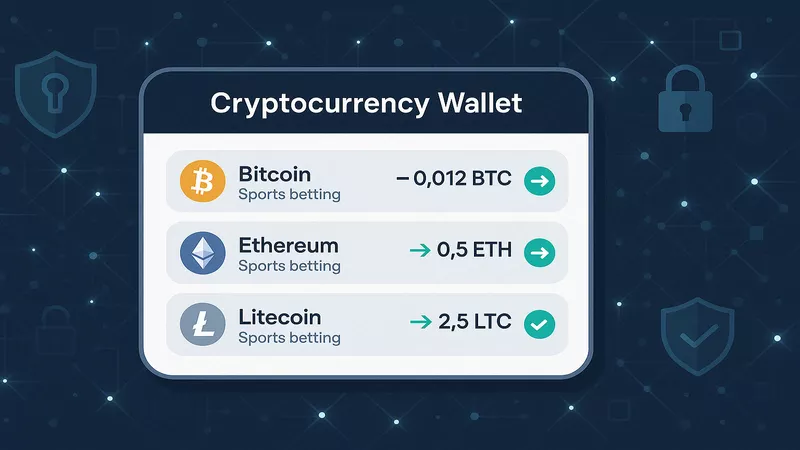
Cryptocurrency has revolutionized offshore betting, turning what used to be a payment nightmare into something almost elegant. If you’re going to use offshore books, you need to understand crypto.
Bitcoin is the standard, accepted everywhere and relatively stable by crypto standards. Transactions are usually confirmed within an hour, withdrawals are processed within 24 hours, and fees are reasonable. The learning curve isn’t that steep setting up a wallet and buying Bitcoin is easier than it’s ever been.
The anonymity aspect is overstated but real. Transactions are pseudonymous, not anonymous, but there’s no name attached to blockchain transactions. This layer of privacy appeals to many offshore bettors who don’t want gambling transactions on their bank statements.
Speed is the killer feature. While U.S. books make you wait days for withdrawals, offshore books pay crypto withdrawals same-day or next-day. I’ve requested a Bitcoin withdrawal from Bovada at noon and had it in my wallet by dinner. Try getting that from a regulated book.
The volatility can work for or against you. I’ve had withdrawals gain 10% in value while waiting to convert to dollars. I’ve also lost money to market drops. If you’re risk-averse, convert to stablecoins or dollars immediately. If you’re gambling on sports, you’re probably comfortable with some volatility.
Transaction fees are minimal compared to traditional methods. Wire transfers cost $50-100. Checks by courier cost similar. Bitcoin transactions cost a few dollars at most. Over time, these savings add up, especially if you’re making regular deposits and withdrawals.
Safety and Security Guide (How Not to Get Scammed)
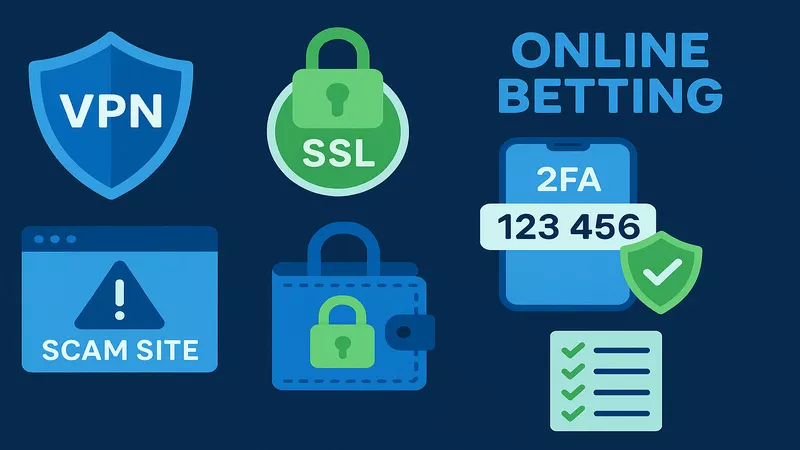
The offshore world has scammers, and they’re getting more sophisticated. Here’s how to protect yourself and identify legitimate operations versus scams.
Identifying Legitimate Sites
Real offshore books have history. Bovada has been around since 2011. BetOnline since 2004. Everygame since 1996. If a book launched six months ago and is offering insane bonuses, be suspicious. Legitimate operations build reputation over years, not months.
Check multiple sources for reviews. Don’t trust a single review site, especially if they’re pushing one book hard. Check forums, Reddit, and multiple review sites. Look for payment reports are people actually getting paid? How long do withdrawals take? What problems do people report?
License jurisdiction matters, sort of. A Curacao license is better than no license, but it’s not exactly stringent oversight. Malta and Isle of Man licenses mean more. Costa Rica doesn’t actually license sportsbooks they just don’t prosecute them. Know what the license actually means.
Legitimate books have working customer service. Test it before depositing. Send an email with a question. Try live chat. If nobody responds or the responses are clearly copy-pasted nonsense, that’s a red flag. Real books invest in customer service.
Red Flags to Avoid
Bonuses that are too good to be true usually are. A 500% deposit bonus sounds amazing until you read the 50x rollover requirement. That’s not a bonus, it’s a trap to lock up your money. Legitimate books offer reasonable bonuses with achievable requirements.
Requests for unusual payment methods are concerning. If they want you to send cryptocurrency to a personal wallet, or use some payment processor you’ve never heard of, be careful. Legitimate books have established payment processing.
Delayed payments with changing excuses indicate problems. “Processing delays” that extend from days to weeks, requirements that keep changing, new verification demands after you’ve already been verified these are stalling tactics from books that can’t or won’t pay.
Poor website security is unacceptable in 2026. If the site doesn’t use HTTPS, if the design looks like it’s from 2002, if there are broken links and errors everywhere, they’re not investing in their platform. Would you trust them with your money?
Secure Banking Methods
Cryptocurrency is the safest method for offshore betting. Set up a separate wallet for gambling, don’t reuse addresses, and use two-factor authentication on everything. Convert to and from crypto quickly to minimize volatility exposure.
Never use credit cards if you can avoid it. The fraud protection doesn’t cover gambling transactions, fees are high, and it might code as a cash advance. Debit cards are slightly better but still not ideal.
Person-to-person transfers (like Western Union) offer no protection whatsoever. If the book doesn’t pay, you have zero recourse. Only use these for books you absolutely trust and only for amounts you can afford to lose.
Keep detailed records of everything. Screenshot your balance regularly. Save confirmation emails. Document withdrawal requests. If something goes wrong, this documentation is your only leverage.
VPN Considerations
Using a VPN to access offshore books is common but understand the risks. The book might void your bets and confiscate your balance if they detect VPN use. Some books explicitly prohibit it, others don’t care. Know the policy before you connect.
If you’re using a VPN, use a paid service, not a free one. Free VPNs sell your data and have terrible security. ExpressVPN, NordVPN, or similar established services are worth the small monthly cost.
Don’t use a VPN to pretend you’re in a legal state to access regulated books. This will absolutely get you banned and your money confiscated. The geolocation requirements are there for legal reasons and books take them seriously.
Withdrawal Strategies
Never keep more money in an offshore book than you need for active betting. These aren’t banks. Withdraw regularly and keep your balance reasonable. I withdraw every time my balance hits 5x my average bet size.
Test withdrawals early with small amounts. Before you deposit serious money, make sure you can actually get money out. Deposit $100, bet a little, withdraw $50. If that works smoothly, you can consider larger amounts.
Don’t chase bonuses that lock up your money. A 100% bonus sounds great until you realize you can’t withdraw anything until you’ve bet 10x the bonus amount. Sometimes it’s better to skip the bonus and maintain withdrawal flexibility.
Have multiple withdrawal methods available. If cryptocurrency stops working, can you get a check? If checks aren’t arriving, can you use person-to-person transfer? Don’t get locked into one method that might suddenly become unavailable.
The offshore sportsbook world isn’t for everyone. It requires more effort, carries more risk, and lacks the protections of regulated betting. But for millions of Americans in non-legal states, it’s the only option for betting on sports online. If you’re going to venture into these waters, at least now you know which boats are seaworthy and which ones are likely to sink with your money aboard.
Always prioritize safety by choosing reliable betting sites that have a proven track record of fast payouts.
