
Easiest Sportsbook for Beginners: 2026 Starting Guide
 Available in US
Find the best sportsbook for beginners and master the art of wagering with this comprehensive 2026 guide to odds, apps, and smart strategies.
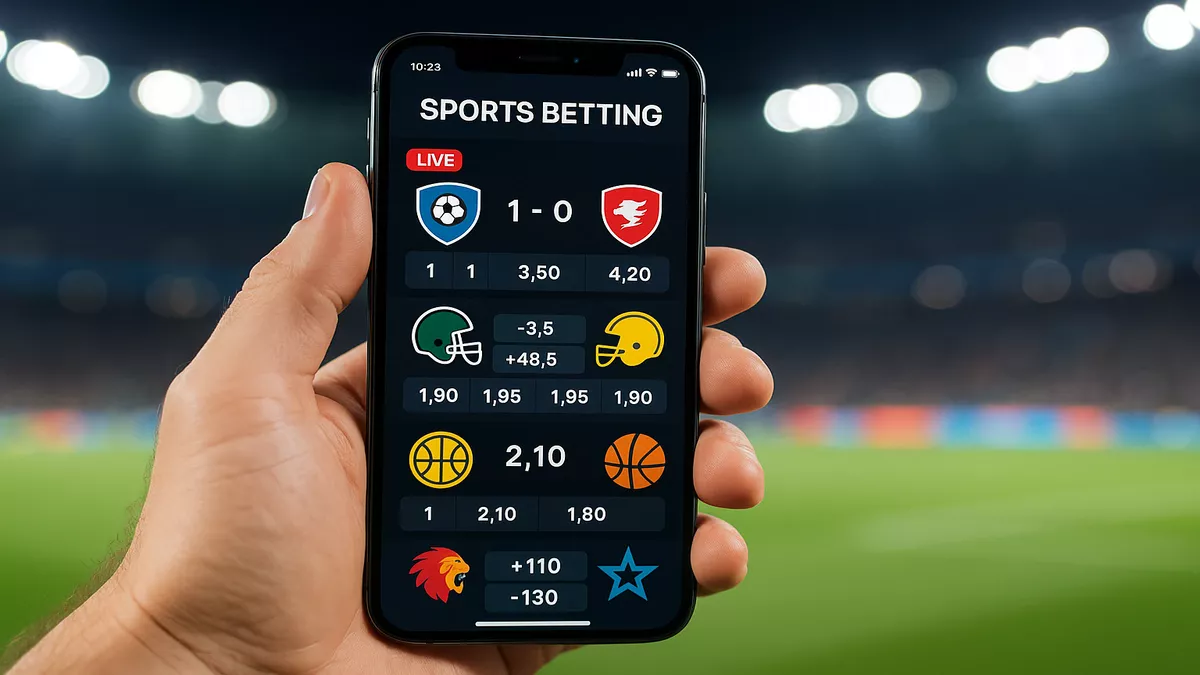
Look, I remember my first sports bet like it was yesterday. It was 2019, I had just downloaded FanDuel because of some commercial with Gronk, and I stared at the screen for twenty minutes trying to figure out what the hell “-110” meant. Nobody explained that I needed to bet $110 to win $100. Nobody told me what a spread was. And definitely nobody warned me that betting the over on a Thursday night NFL game is basically lighting money on fire.
Five years and probably too many bets later, I’m here to be the guide I wish I had back then. No judgment, no complicated math formulas, just straight talk about how to get started betting on sports without making the expensive mistakes I did. Because let’s be real you’re going to make some mistakes. Everyone does. But maybe you can avoid the really dumb ones.
Table of Contents
- Understanding Sports Betting Basics (Or: What the Hell Do All These Numbers Mean?)
- Top 5 Beginner-Friendly Sportsbooks (With Actual Reasons Why They Don’t Suck)
- Step-by-Step Registration Guide (Without the Frustration)
- Common Beginner Mistakes to Avoid (Learn from My Stupidity)
- Building Your Betting Strategy (Or: How to Lose Money Slower)
Understanding Sports Betting Basics (Or: What the Hell Do All These Numbers Mean?)
Before you put a single dollar down, you need to understand what you’re actually looking at. Sports betting has its own language, and while it seems complicated at first, it’s actually pretty simple once someone explains it in normal English instead of gambling jargon.
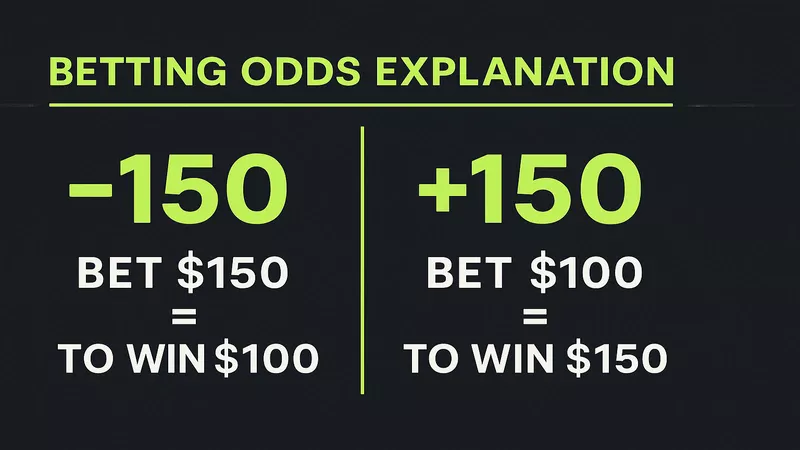
Let’s start with the most basic concept: the odds. When you see a team at -150, that minus sign means they’re the favorite. The number tells you how much you need to bet to win $100. So -150 means bet $150 to win $100. When you see +150, that plus sign means underdog, and the number tells you how much you’d win on a $100 bet. So +150 means bet $100 to win $150. That’s literally it. Everything else builds from there.
Now, the spread. This is where most beginners get confused, and honestly, the way it’s displayed doesn’t help. When you see “Lakers -6.5” that means the Lakers need to win by 7 or more points for your bet to win. They’re “giving” 6.5 points. The other team would be “+6.5” meaning they can lose by 6 or less (or win outright) and your bet wins. The half point is there so there’s no tie you either win or lose.
The total, also called the over/under, is even simpler. The sportsbook sets a number for the combined score of both teams. You bet whether the actual combined score will be over or under that number. If the total is 215.5 for an NBA game and the final score is 110-108, that’s 218 total points, so the over wins.
Moneyline bets are the simplest of all you’re just picking who wins the game. No spreads, no totals, just pick the winner. The odds determine your payout. Favorites pay less, underdogs pay more. A -300 favorite means you need to bet $300 to win $100. A +250 underdog means a $100 bet wins you $250.
Parlays are where things get interesting and where most beginners lose their shirts. A parlay combines multiple bets into one. All your picks need to win for the parlay to pay out. The appeal is obvious turning $10 into $100 or more. The reality is that hitting parlays consistently is nearly impossible. Two-team parlays aren’t terrible. Three-teamers are tough. Anything more than that and you’re basically buying lottery tickets.
Props, short for proposition bets, are wagers on specific events within a game. Will LeBron score over 27.5 points? Will there be a safety in the Super Bowl? Will the first score be a touchdown? These are fun but dangerous for beginners because the house edge is usually higher. Stick to game lines when you’re starting out.
Here’s what nobody tells you about juice (also called vig): The standard odds on spreads and totals are -110 on both sides. That means you bet $110 to win $100. That extra $10 is how sportsbooks make money. It’s their fee for taking your action. When you see -105 or even -100, that’s reduced juice and it’s better for you. When you see -115 or -120, you’re paying extra. Over time, this matters more than you think.
One more thing about American odds versus decimal odds. Most U.S. books show American odds by default (the +150/-150 format). You can usually switch to decimal in settings. Decimal is actually easier for calculating payouts. 2.50 decimal odds means you get $2.50 back for every $1 bet (including your stake). But since everyone here uses American, you might as well learn it.
Top 5 Beginner-Friendly Sportsbooks (With Actual Reasons Why They Don’t Suck)
After testing every major sportsbook with my own money and helping dozens of friends get started, these are the five platforms that won’t make you want to throw your phone against the wall.
1. Fanatics Sportsbook Built for People Who Don’t Bet (Yet)
Fanatics is the newest major player, and that’s exactly why it’s perfect for beginners. They haven’t had time to complicate things yet. The app is clean, modern, and doesn’t assume you know what an Asian total is. When you open it, you see games, you see odds, you tap what you want, and you bet. Revolutionary concept, right?
What makes Fanatics special for newbies is their Fair Play Policy. Bet on a player prop and that player gets injured in the first half? Your bet gets voided. No other book is this forgiving. When you’re learning and don’t know to check injury reports religiously, this safety net is huge. I’ve had probably $500 in bets voided that would have been losses elsewhere.
Their FanCash system is also genius for beginners. Instead of complicated rollover requirements on bonuses, you earn FanCash on every bet. Use it for more bets or buy actual team merchandise. It’s straightforward and doesn’t require a mathematics degree to understand. Plus, if you’re already buying jerseys from Fanatics anyway, you’re essentially getting a rebate on your bets.
The bet slip is idiot-proof, and I mean that as a compliment. It clearly shows your potential payout, warns you if you’re about to place a bet during a game that’s already started, and doesn’t let you accidentally bet your entire bankroll because of a typo. These sound like basic features, but you’d be amazed how many books mess this up.
Once you understand the basics of wagering, you should learn how to take advantage of the best sportsbook bonuses to maximize your initial bankroll.
2. FanDuel The Toyota Corolla of Betting Apps
FanDuel is the biggest sportsbook in America for a reason it just works. It’s not the flashiest, doesn’t have the most features, and rarely has the best odds. But when you need to place a bet quickly and confidently, FanDuel delivers every single time.
The interface is so intuitive that my 65-year-old father figured it out without help. Everything is where you expect it to be. Want to bet on the NFL? There’s a big NFL button. Want to see your bets? There’s a “My Bets” tab. It sounds simple because it is, and that’s the point. You’re here to bet on games, not solve puzzles.
Their same-game parlay builder is perfect for beginners because it actually teaches you about correlation. Try to bet on the under and a player to score 3 touchdowns? FanDuel explains why that doesn’t make sense. It’s like having training wheels that you don’t realize are there.
The “popular” tags on bets show you what others are betting, which helps when you’re starting out and have no idea if a line is good or not. Is everyone hammering the over? Maybe there’s a reason. Is a supposedly even game getting 90% of bets on one side? Might want to think twice. It’s not a strategy, but it’s helpful context when you’re learning.
3. BetMGM The Safety Net Champion
BetMGM’s first bet insurance up to $1,500 sounds too good to be true, but it’s legit. If your first bet loses, you get it back in bonus bets. For a beginner, this is basically a free education. You can make that nervous first bet knowing you’ll get another chance if it loses.
The “Edit My Bet” feature is a godsend for beginners. Accidentally bet the wrong team? Fix it (with adjusted odds). Added the wrong game to your parlay? Change it. Realized you bet way too much? Reduce it. No other major book lets you fix mistakes like this. When you’re learning and prone to errors, this feature alone makes BetMGM worth considering.
Their tutorial section is actually helpful, not just legal jargon and responsible gambling warnings. They have real examples, explanations of different bet types with actual game scenarios, and even basic strategy guides. It’s like the sportsbook actually wants you to know what you’re doing. Weird concept in this industry.
The Lion’s Boost daily special is perfect for beginners because BetMGM does the work for you. They pick a parlay, boost the odds, and you just decide if you want it or not. It’s training wheels for parlay betting, and the boosts often provide actual value.
4. Caesars Rewards That Actually Matter
Caesars might seem like an odd choice for beginners, but hear me out. Their rewards program is the only one that translates to real-world value. Every bet earns you credits toward hotel stays, dinners, and shows. For a beginner who’s going to make plenty of bad bets while learning, at least you’re earning something tangible.
The app recently got overhauled and is now actually usable. It’s clean, straightforward, and doesn’t try to do too much. The Quick Picks section gives you pre-made bets based on popular choices, perfect when you want action but don’t know what to bet.
Their current welcome offer of twenty 100% profit boosts is actually perfect for beginners. Instead of one big bonus you might waste, you get twenty chances to double your winnings. Use them on small bets while you learn, and by the time they’re gone, you’ll actually know what you’re doing.
5. ESPN BET The Familiar Face
ESPN BET works for beginners because you already know ESPN. The interface feels familiar if you use the ESPN app, the personalities you recognize are promoting bets, and the whole experience feels less like gambling and more like an extension of watching sports.
The integration with ESPN content is seamless. Watching highlights and see a bet you like? Place it without leaving the app. Reading an article about tonight’s game? There’s a bet button right there. For beginners who are already consuming ESPN content, this natural flow makes betting feel less intimidating.
Step-by-Step Registration Guide (Without the Frustration)
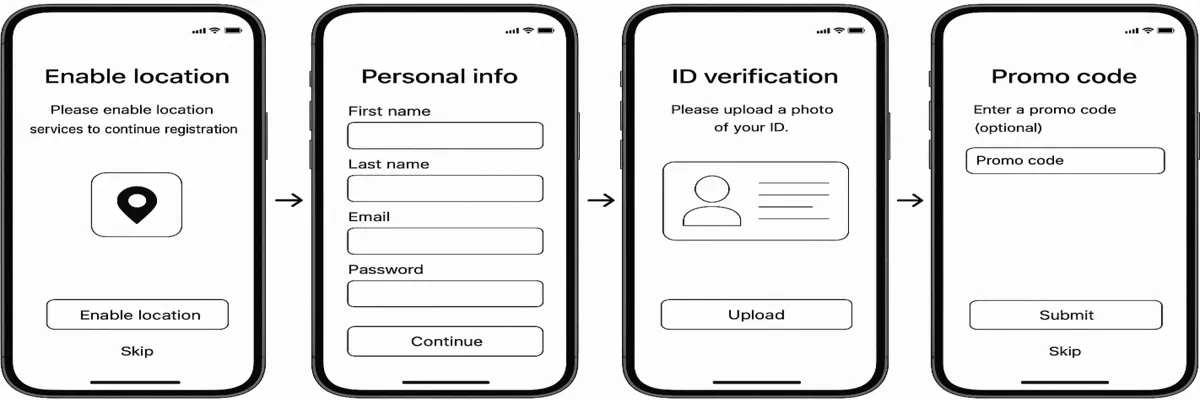
Alright, you’ve picked a sportsbook. Now comes the annoying part actually signing up. Every sportsbook makes this more complicated than it needs to be, but I’ll walk you through it so you don’t rage-quit before placing your first bet.
First, make sure you’re in a legal state. As of late 2026, that’s 38 states plus DC. If you’re not in one of these states, you can’t legally bet online. Don’t try to use a VPN or your cousin’s address in Jersey. It won’t work, and you’ll just create headaches for yourself.
Download the app directly from the App Store or Google Play. Don’t use random links from emails or social media. Scammers love targeting beginners who don’t know better. The official app is always free and will never ask for payment to download.
When you open the app, you’ll need to allow location services. This isn’t optional it’s how they verify you’re in a legal state. The app will literally not work without it. Yes, it feels invasive. No, they’re not tracking you when you’re not using the app. It’s just for legal compliance.
The registration form asks for basic info: name, address, date of birth, and the last four digits of your social security number. Use your real information. This isn’t the time to be paranoid about privacy. They need to verify you’re a real person, you’re 21+, and you’re not on any exclusion lists. Lying here will only cause problems when you try to withdraw money.
The username and password you create need to be something you’ll remember but others can’t guess. Don’t use “betting123” or your birthday. But also don’t make it so complicated you need to reset it every time. Write it down somewhere secure. You’d be amazed how many people lock themselves out of accounts with money in them.
Next comes identity verification. Some books verify instantly, others take a few hours. If it’s taking forever, it usually means something didn’t match. Maybe you moved recently and your address is different. Maybe you go by your middle name but your ID has your first name. Check everything matches exactly.
You might need to upload a photo of your driver’s license. Use the app’s camera function for this don’t upload an old photo from your camera roll. Make sure the image is clear and all four corners are visible. If it’s blurry or cut off, you’ll have to do it again and wait longer.
Now for the promo code. If you’re using one, this is where you enter it. But here’s the thing most good bonuses don’t need a code if you use the right link to sign up. If a site is pushing codes hard, it’s usually because they’re tracking affiliates, not giving you a better deal. The standard bonus is usually the same with or without a code.
Common Beginner Mistakes to Avoid (Learn from My Stupidity)
Let me save you some money and embarrassment by sharing every dumb mistake I made when I started betting. Your friends might not tell you these things, but I will.
Chasing losses is the fastest way to turn a bad day into a disaster. You lost your afternoon bets and there’s a random basketball game tonight. You don’t know anything about either team, but you need to “get even.” Stop. This is exactly how a $50 loss turns into a $500 hole. The games will be there tomorrow. Your bankroll might not be if you keep chasing.
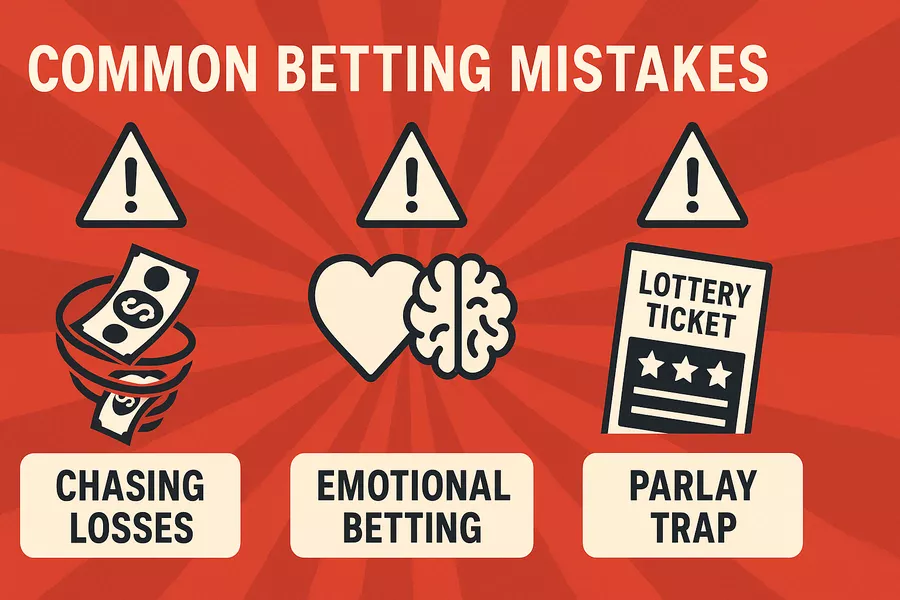
Betting on your favorite team is usually a bad idea. You’re not objective. You think your quarterback is better than he is. You ignore that your defense can’t stop anyone. I lost so much money betting on the Giants before I finally accepted they just suck. If you must bet on your team, at least be honest about their flaws.
Parlays are fun but they’re not a strategy. Every beginner loves parlays because turning $5 into $50 sounds amazing. But the math is terrible. That 10-team parlay paying 700-to-1? The true odds are closer to 1000-to-1. You’re giving the book a massive edge. Stick to straight bets or 2-team parlays maximum when starting out.
Not shopping lines will cost you more than any other mistake over time. The Knicks might be -5.5 on FanDuel but -5 on BetMGM. That half-point matters more than you think. Once you’re comfortable with one book, get a second account just for line shopping. It’s free money sitting there.
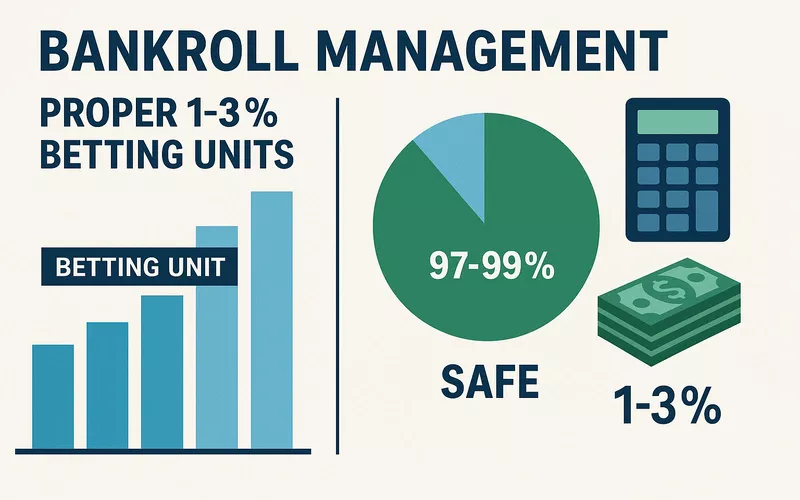
Ignoring bankroll management because it’s “not fun” is how you end up reloading your account every week. Decide how much you can afford to lose really lose, like it’s gone forever and that’s your bankroll. Bet 1-3% of it per game. Yes, that means if you have $100, you’re betting $1-3 per game. If that sounds too small, you can’t afford to bet more.
Buying points is almost always wrong. Moving a spread from -7 to -6.5 costs extra juice, and the math rarely supports it. The only exception is moving NFL lines off of 3 or 7, and even then, it’s marginal. When you’re starting out, just take the standard lines.
Building Your Betting Strategy (Or: How to Lose Money Slower)
Let’s be honest about something: you’re probably going to lose money betting on sports. The vast majority of bettors do. The sportsbooks aren’t building these fancy apps and giving away bonuses because they’re losing money. But that doesn’t mean you can’t have fun, and it doesn’t mean you can’t win sometimes. You just need to be smart about it.
Start with one sport and learn it well. Don’t bet NFL, NBA, college football, tennis, and Korean baseball all in the same week. Pick the sport you know best and focus there. You already know the teams, the players, the basic strategies. Build from that foundation.
Straight bets are your friend when starting out. Moneylines if you want simple, spreads if you want better payouts, totals if you have a feel for game pace. These are all fine. What’s not fine is immediately jumping into teasers, pleasers, round robins, and other exotic bets you don’t understand.
Track everything. Every bet, every result, every stupid reason you had for betting it. Use a spreadsheet, use an app, use a notebook I don’t care. But track it. After a month, you’ll see patterns. Maybe you’re great at NFL unders but terrible at NBA spreads. Maybe you always lose when betting on primetime games. You can’t improve what you don’t measure.
The public is usually wrong, but that doesn’t mean you should always fade them. When 80% of bets are on one side and the line isn’t moving, that’s interesting. When the line moves against the public money, that’s really interesting. But don’t just blindly bet against the public. Sometimes the obvious bet is obvious because it’s right.
Home underdogs in divisional games are your friend. This is one of the few “systems” that actually has merit. Division rivals know each other well, home teams get a boost, and the games are often closer than expected. It’s not automatic money, but it’s a good starting point for finding value.
Live betting can actually be easier for beginners if you do it right. Watching a game gives you information the pregame lines didn’t have. Team looks flat? Bet against them. Star player in foul trouble? Take the under on his props. Just don’t live bet every game you watch or you’ll go broke.
Start small and stay small until you prove you can win. I don’t care if your buddy is betting $500 a game. I don’t care if $10 bets feel pointless. You’re learning. Once you show consistent profit over a few months, then you can increase your unit size. Most people never get to that point because they bet too big too early and go broke.
The best bet is often no bet. You don’t have to have action on every game. You don’t have to bet every night. In fact, you shouldn’t. Be selective. Wait for spots you really like. The games aren’t going anywhere.
Remember that sports betting is entertainment, not an investment strategy. Budget for it like you would concerts or video games or any other hobby. If you’re not having fun, if it’s stressing you out, if you’re betting money you need for rent, stop. There’s no shame in walking away.
The house edge in sports betting is actually pretty small compared to other gambling. But it’s still an edge. Over thousands of bets, that edge grinds everyone down. Accept this. Embrace it. Have fun with it. But don’t pretend it doesn’t exist.
One last piece of advice: the moment you think you’ve figured it all out, sports betting will humble you. I’ve been doing this for years and still have weeks where I can’t pick a winner to save my life. Stay humble, stay disciplined, and most importantly, stay within your limits.
For a complete list of trusted platforms, always check our reviews of the top online sports betting sites before making a deposit.
